
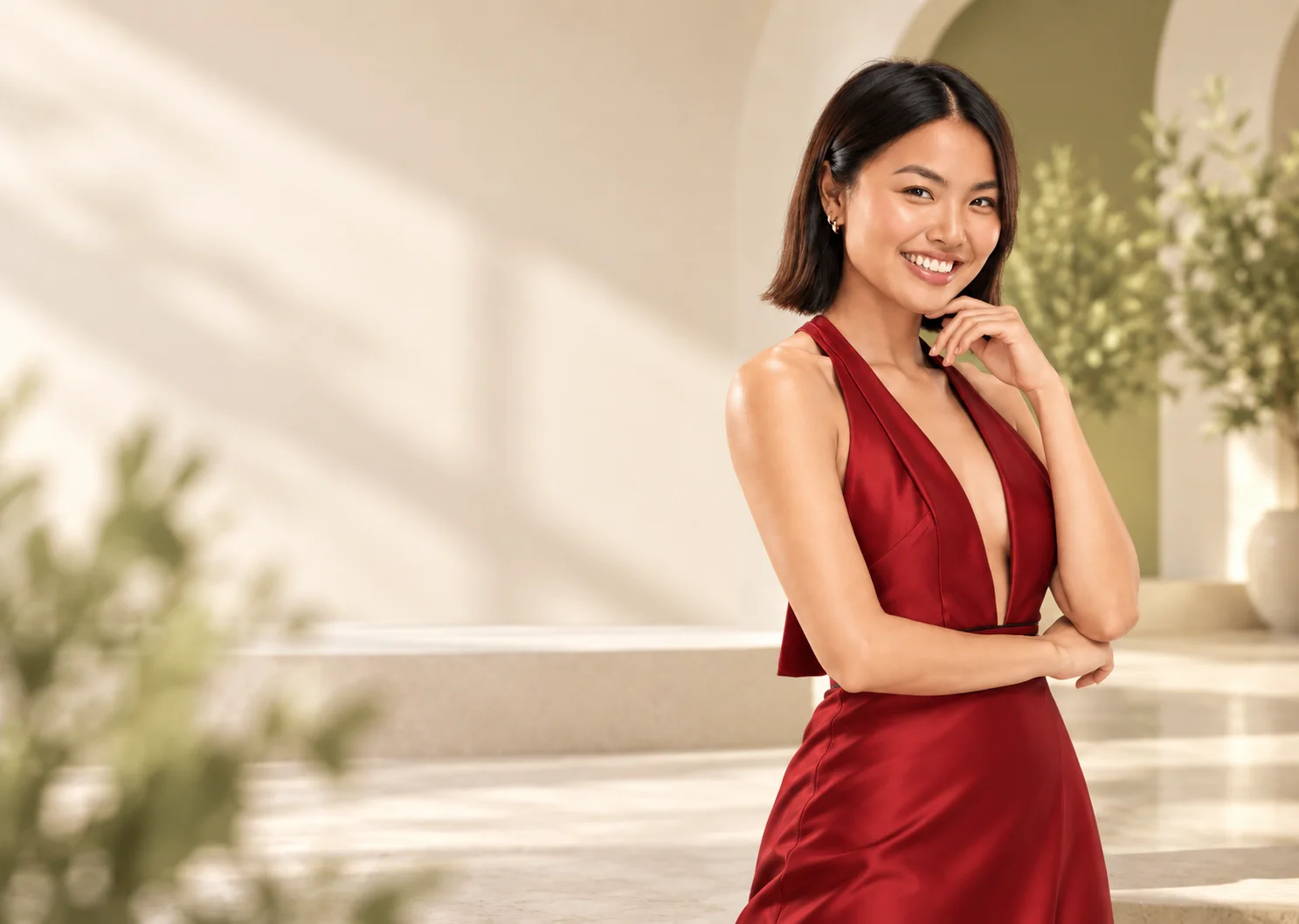
Online Dress Shopping Hacks: How to Stop Ordering Disasters That Look Nothing Like the Photo
You spotted the dress in midnight. The color glowed, the waist looked sculpted, and the model seemed ready for the event on your calendar. A few taps later, you pictured yourself wearing it. Then the parcel arrived: thin fabric, a wandering zipper, and a shade that looked nothing like the screen. Sound familiar? Online dress shopping can feel like a gamble, but the clues are hiding in plain sight. Learn where to look, what to measure, and which questions to ask before checkout. Your next delivery should feel like an outfit you choose, rather than a surprise you must return.
Read The Photo Like A Detective
Product photography shows a dress at its strongest angle. Studio lighting can brighten colors, clips can pull fabric tighter behind the model, and movement can hide awkward seams. It means one flattering frame cannot tell the whole story.
Look for front, back, side, and close-up images. Zoom in on the neckline, hem, closures, and areas where seams tend to meet. If the dress has a slit, see where it starts when the model stands still. If the skirt looks full, search for a photo without motion.
Video helps, particularly when you want to see how material falls. Watch the fabric after the model stops moving. Does it drape softly, cling, hold a structured shape, or wrinkle at the wrist?
A single studio image for a dress online is a reason to pause. Before buying, compare every available image and read the product details to fill the gaps.
Translate Fabric Descriptions Into Real Expectations
A dress can match its photograph and still disappoint if you expected a different feel. Fabric names tend to give you a starting point. Cotton may feel crisp or soft, depending on the weave. Satin describes a finish, not a promise that the dress will feel substantial. Polyester can range from airy to stiff.
Check for lining, stretch, and fabric weight. A white dress without lining may need an under-layer. A fitted design with no stretch needs more precise sizing. If the listing calls a fabric sheer, take that literally, even if the studio photograph looks opaque.
Search the description for phrases such as “fully lined,” “ lightweight,” or “woven with stretch.” When those details are missing, contact the shop before placing an order. For buy dresses online searches, information about construction deserves as much attention as the silhouette.
Measure The Dress Against A Dress You Own
Sizing labels are shortcuts, not measurements. The same letter can fit differently across designs, and a fitted bodice behaves differently from a loose shift. Instead of guessing your usual size, take a few measurements and compare them with the chart for that specific item.
Measure your bust, waist, and hips while wearing the undergarments you expect to use. Keep the tape level and comfortably close to your body. Then measure a dress you already like, laid flat, from shoulder to hem. Compare its length with the listed length, and note where its waist seam falls on you.
If your measurements cross sizes, use the area with the least room for adjustment. A dress that fits the waist put pulls across the bust may not be worth the compromise. If the style is loose through the hips, that measurement may matter less.
For online dress sizing, also read how the model’s height and worn size relate to yours. A hem at the model’s knees could land much lower on a shorter shopper.
Let Customer Photos Challenge Your Assumptions
Customer images often show how a dress behaves away from a studio. Look across several reviews instead of relying on one striking photo. Notice whether different shoppers mention the same issue: a small neckline, a shorter hem, visible lining, or a color that shifts in daylight.
Filter reviews by measurements when the site allows it. Someone with a similar bust or height can offer context that a generic rating cannot. A compliant about a narrow waist may matter to you; a complaint about a shipping delay says little about fit.
Keep perspective. If customer photos disagree, compare the written descriptions and contact the seller for a daylight image or a clearer shade description. Dress reviews with photos are evidence to weigh, not a substitute for your own measurements.
Check The Color Outside Your Screen
Screens can make the same shade look different. Brightness settings, warm display modes, and studio lighting all influence what you see. A dress called burgundy might look cherry red on one phone and deep wine on another.
Read the written color name, examine close-ups, and view the listing on a second screen if you can. Search customer images taken in natural light. For an event with a strict color palette, ask the shop how it describes the shade in daylight. If matching another garment matters, allow room for some variation rather than assuming two online photographs will align exactly.
This matters especially with pale colors, metallic finishes, and patterned fabric. A tiny swatch image may conceal how the print looks across the entire dress. Check the full-length image for pattern placement before you buy.
Decode The Details That Change The Fit
Tiny construction choices shape how a dress wears. Adjustable straps give you room to shift the neckline. A side zipper can feel different from a stretchy pull-on bodice. A tie waist lets you alter the silhouette, while a fixed seam places the waist at one height.
Read the closure, lining, pocket, and stretch notes. Look for measurements of sleeves, slits, and straps when those features affect your comfort. If you plan to sit through dinner or dance, picture those movements, not just the standing pose. A skirt that looks relaxed while walking may tighten across the hips when seated.
For occasion dresses online, think about the venue and time of day. Outdoor light may reveal sheer panels. A long hem can drag on uneven ground. A high neckline may feel warm at a summer gathering. Those practical details help you choose a dress you will actually enjoy wearing.
Put The Return Policy Into Your Decision
Before checkout, find the return window and read the conditions. Note whether the dress must retain tags, whether sale items qualify, and who pays return shipping. If an event is close, look at the estimated delivery timeline too.
A tempting price can lose its appeal if returning a poor fit is difficult. Add any delivery or return costs to your comparison, especially when ordering two sizes. Photograph the package and try the dress indoors with tags attached, so you can decide quickly without missing the stated window.
Search terms like dresses with easy returns can help narrow options, but the actual policy controls what happens. Read it on the shop’s site before you pay.
Use a Five-Minute Checkout Ritual
You don’t need to turn shopping into homework. Save the link, step away for a few minutes, then answer five questions: What are the garment measurements? What is the fabric and is it lined? Do several images show the shape clearly? What do customer photos say? Can you return it within a workable period?
If an answer matters and the listing stays vague, send a short question to the shop. Ask for the exact waist measurement, an image in daylight, or clarification about stretch. A useful reply makes your choice easier. No reply gives you information too.
Then picture the dress with shoes and layers you already own. An outfit that requires several extra purchases may be less convenient than it first appeared. Create a short online dress shopping checklist on your phone, and reuse it whenever a photo makes you want to rush.
Choose The Dress, Not The Fantasy
A beautiful photograph should start your search, not finish it. When you connect the image with fabric details, measurements, real-world photos, and return terms, you give yourself a clearer picture of what will arrive. You can still stop with excitement. You just have a way to keep that excitement grounded.
Browse the dresses that match your plans, check the details that shape fit, and choose the one you can picture wearing beyond the product page. That is when the parcel becomes something to look forward too.